Journal · Wild Dogs
Where to See African Wild Dogs in Kenya: The Painted Wolves of Laikipia
If you want to see African wild dogs in Kenya, look north to Laikipia. Together with neighbouring Samburu and Isiolo, this high, open landscape north of Mount Kenya holds the country’s best-known wild dog population, and its packs are among the most closely studied in Africa.
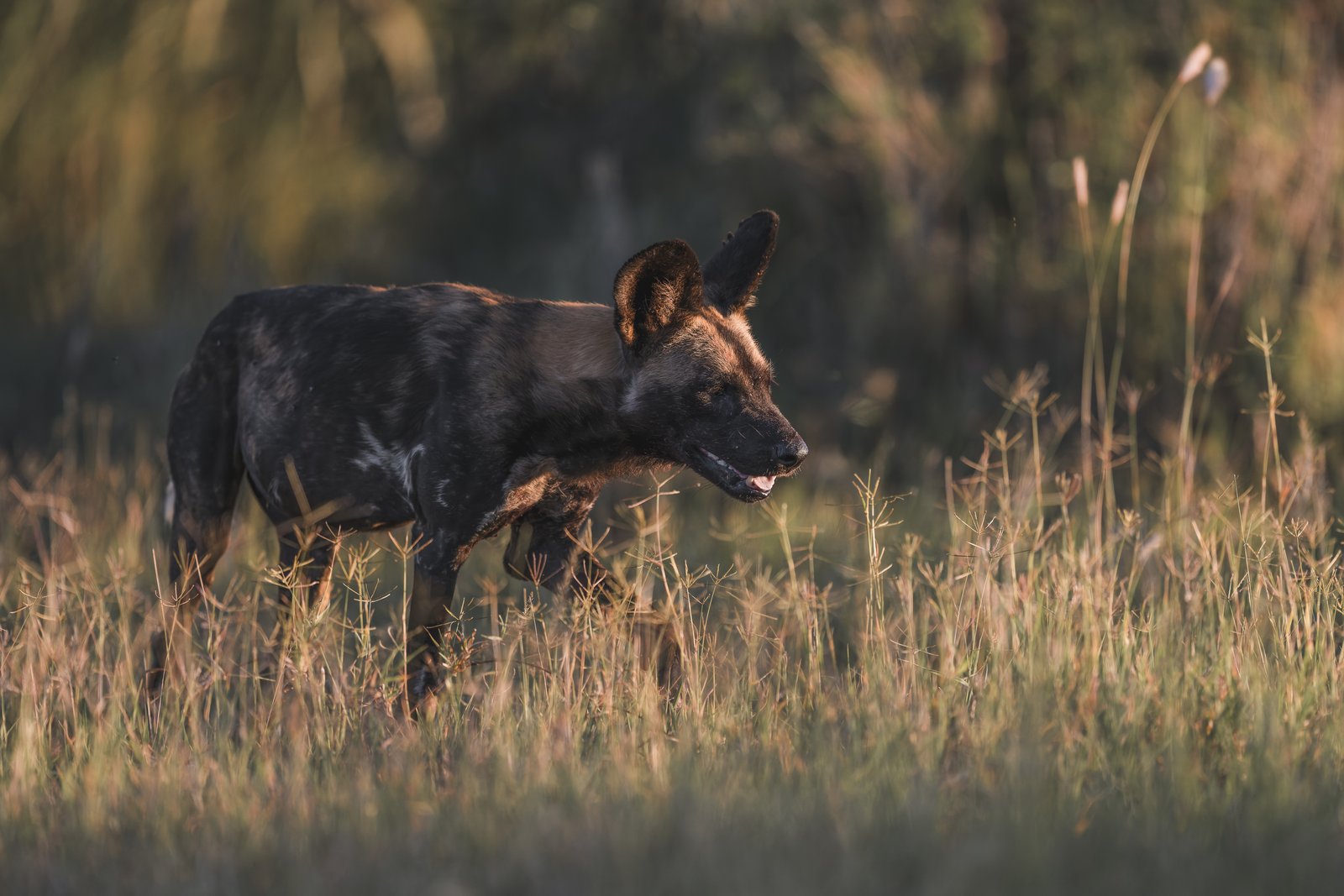
Meet the African wild dog
The African wild dog, Lycaon pictus, is also called the painted wolf or painted dog for its patchwork coat of black, tan and white. It lives in packs, and most pack members are the offspring of a single breeding pair.
It is also one of Africa’s most endangered carnivores. The IUCN Red List classes the African wild dog as Endangered, with an estimated 6,600 adults left in 39 subpopulations, only around 1,400 of them mature breeding animals. Most subpopulations are small, and the overall trend is downward.
The main threats are habitat fragmentation, conflict with livestock farmers, snares and road accidents, and disease.
Why Laikipia matters
Wild dogs once vanished from Laikipia entirely. A rabies outbreak in 1981 and 1982 wiped them out, and a small group returned to Laikipia on its own in 2001.
From there the recovery was fast. The Laikipia population grew to about 170 adults and yearlings by 2006, and at its peak it was described as the sixth largest wild dog population in Africa.
A setback, and a second comeback
Disease is the wild dog’s greatest weakness. After the 2017 drought, canine distemper spread through Laikipia’s packs, and a population of roughly 200 dogs fell to a single surviving female.
The dogs recovered again. By 2024 the population had grown from two packs to nine, with 80 to 90 individuals.
How Laikipia protects its wild dogs
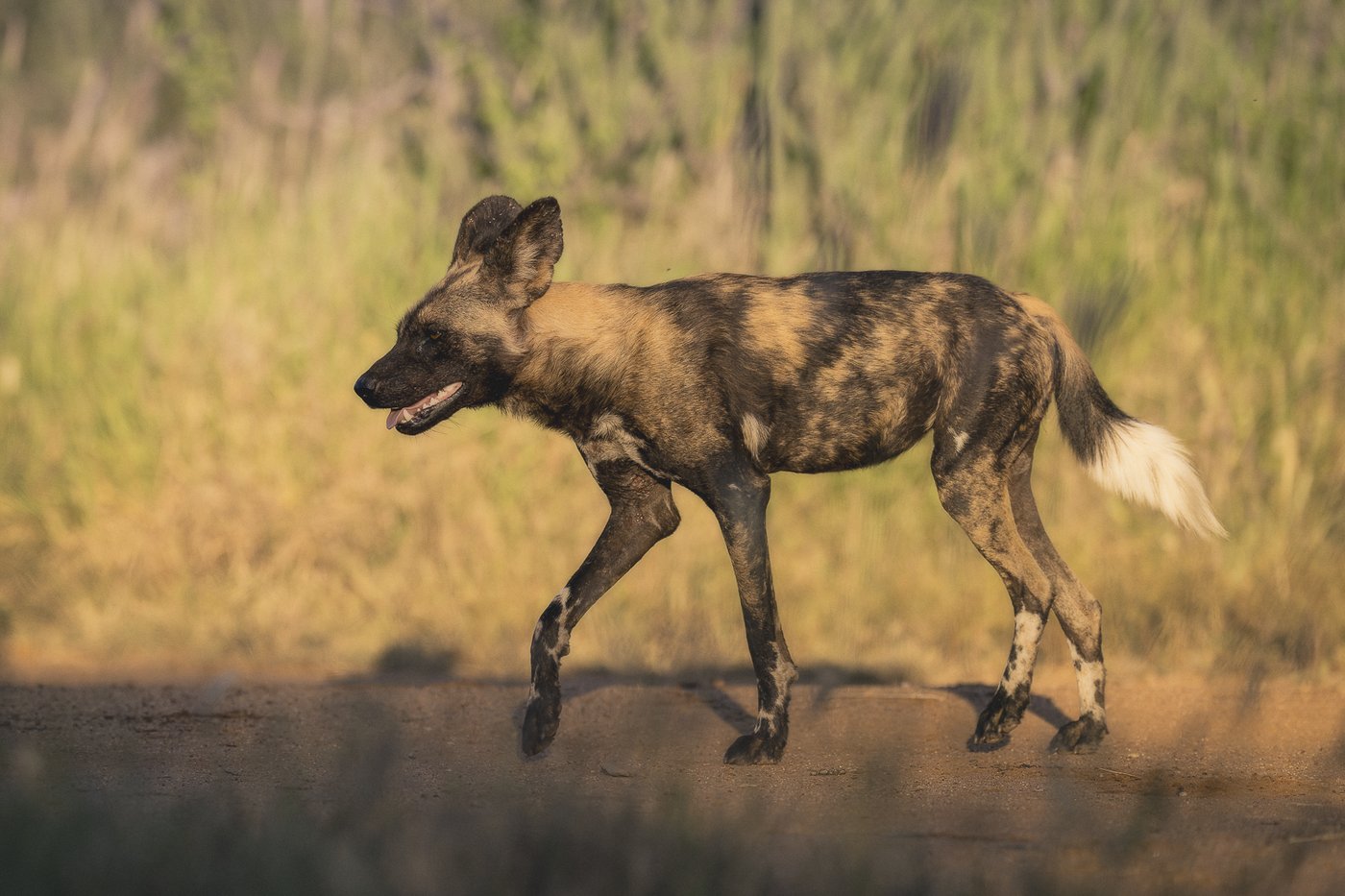
Much of that recovery rests on the Samburu-Laikipia Wild Dog Project, based at Mpala Research Centre and led by Rosie Woodroffe of the Zoological Society of London. It works across Laikipia, Samburu and Isiolo counties on the two problems that kill most wild dogs:
- Disease. Free rabies vaccination for domestic dogs, averaging about 16,500 dogs a year, reduces the risk of disease spilling over to wild packs.
- Conflict with herders. GPS collars warn herders when a pack is nearby so they can move their livestock, and community training in livestock protection has reached tens of thousands of people.
The results are striking. Reports of wild dogs killing livestock fell to zero by mid-2024, and no wild dog has been deliberately killed in the project area since 2021.
Tips for looking for wild dogs responsibly
Wild dogs are among the hardest African animals to find. A pack can cover huge distances and may move to a new area overnight, so no sighting can be promised anywhere.
- Go early and late. Like many predators, wild dogs are usually most active in the cooler hours around dawn and dusk.
- Travel with experienced guides. Local guides and trackers who know the landscape give you the best chance.
- Give them space. Never approach a den or block a pack’s path. Packs raising pups are especially sensitive to disturbance.
- Keep locations private. Avoid sharing real-time sighting or den locations online, which can draw crowds to vulnerable animals.
Visiting Laikipia’s wild dog country
Ewaso Elephant Crossing is a photo hide camp in the Ewaso Enclave Conservancy, in the Laikipia landscape described above. You can read more on our Wild Dogs page, and see wild dogs photographed in Laikipia in our Gallery.
Questions about African wild dogs in Kenya
Can you see African wild dogs in Kenya?
Yes. Kenya has resident wild dog populations, and Laikipia, with neighbouring Samburu and Isiolo, is the country’s best-known stronghold. Sightings are never guaranteed because packs range widely.
Where is the best place to see wild dogs in Kenya?
Laikipia in central Kenya. Its wild dogs have been studied closely for years, and its population was once among the largest in Africa.
Are African wild dogs endangered?
Yes. The IUCN Red List classes the African wild dog as Endangered, with an estimated 6,600 adults in 39 subpopulations and a declining overall trend.
Why did wild dogs disappear from Laikipia?
A rabies outbreak in 1981 and 1982 wiped them out. They returned naturally in 2001, and later survived a severe canine distemper outbreak after the 2017 drought.
What is the best time of day to see wild dogs?
Early morning and late afternoon, when it is cooler and packs are most likely to be moving and hunting.
Header photo: African wild dog, Laikipia. Photo: Ernesto, 2026.