Ewaso Enclave Conservancy · The World's Most Elusive Cat
Meet
Giza
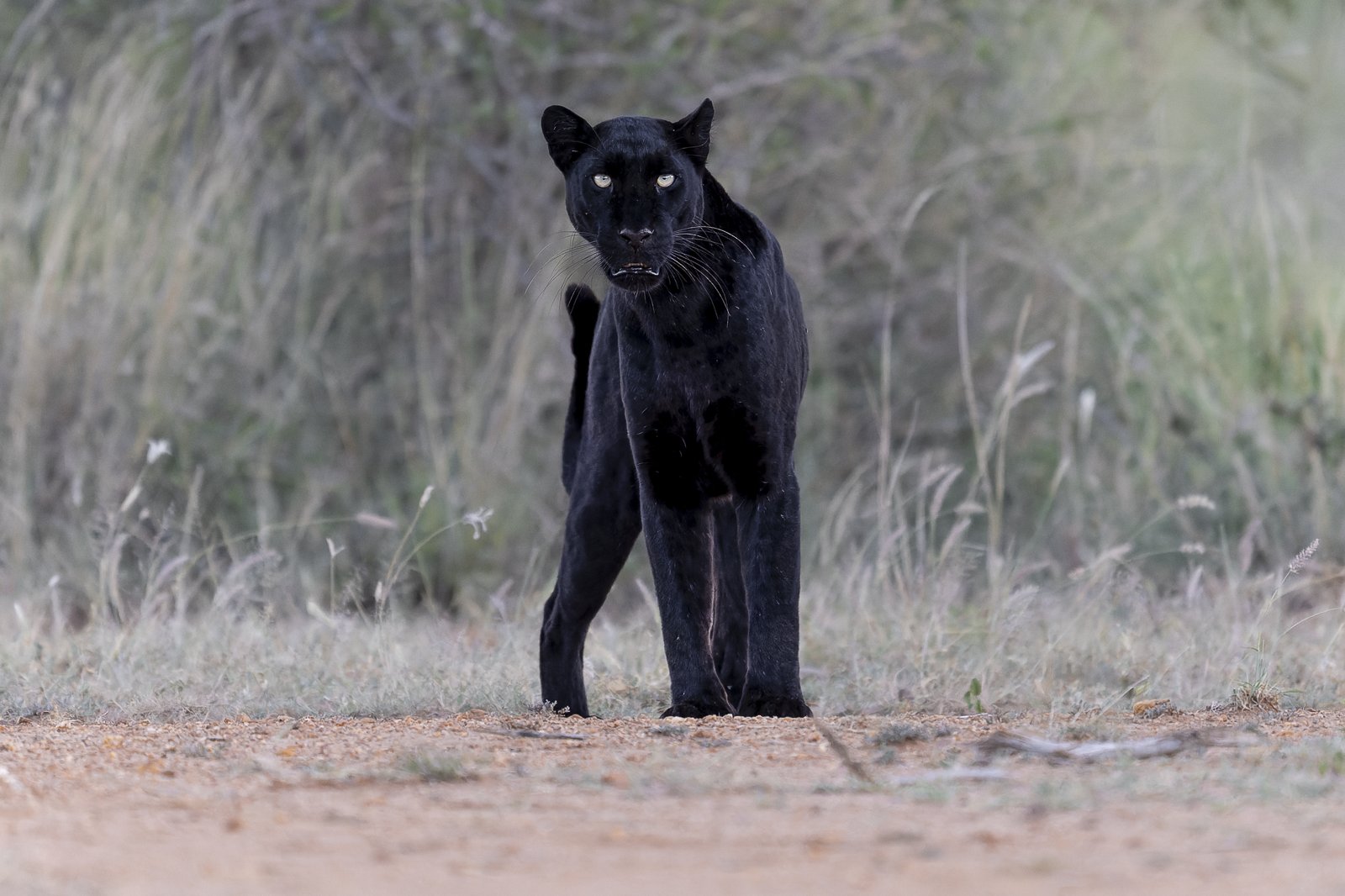
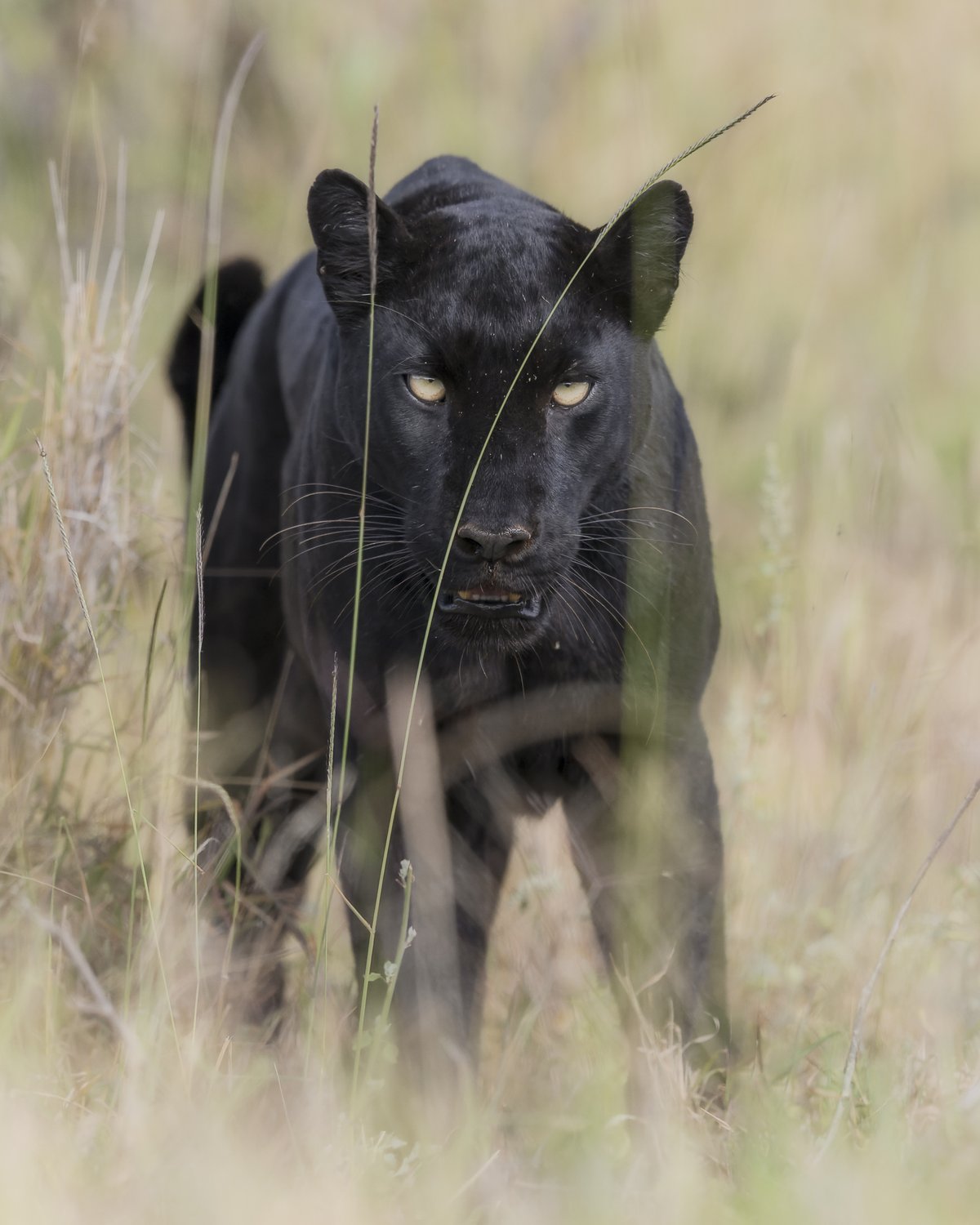
A melanistic black leopard with a verified, photographed territory, among the very few documented black leopards anywhere in Africa. Not a tourist attraction. A wild animal, living on her own terms.
In This Conservancy
Giza at the
Ewaso
Enclave
Melanistic leopards are exceptionally rare and seldom documented in the wild anywhere in Africa. Giza is among the very few black leopards in East Africa with a verified, photographed territory, and guided safaris reach that territory within 30 minutes of camp.
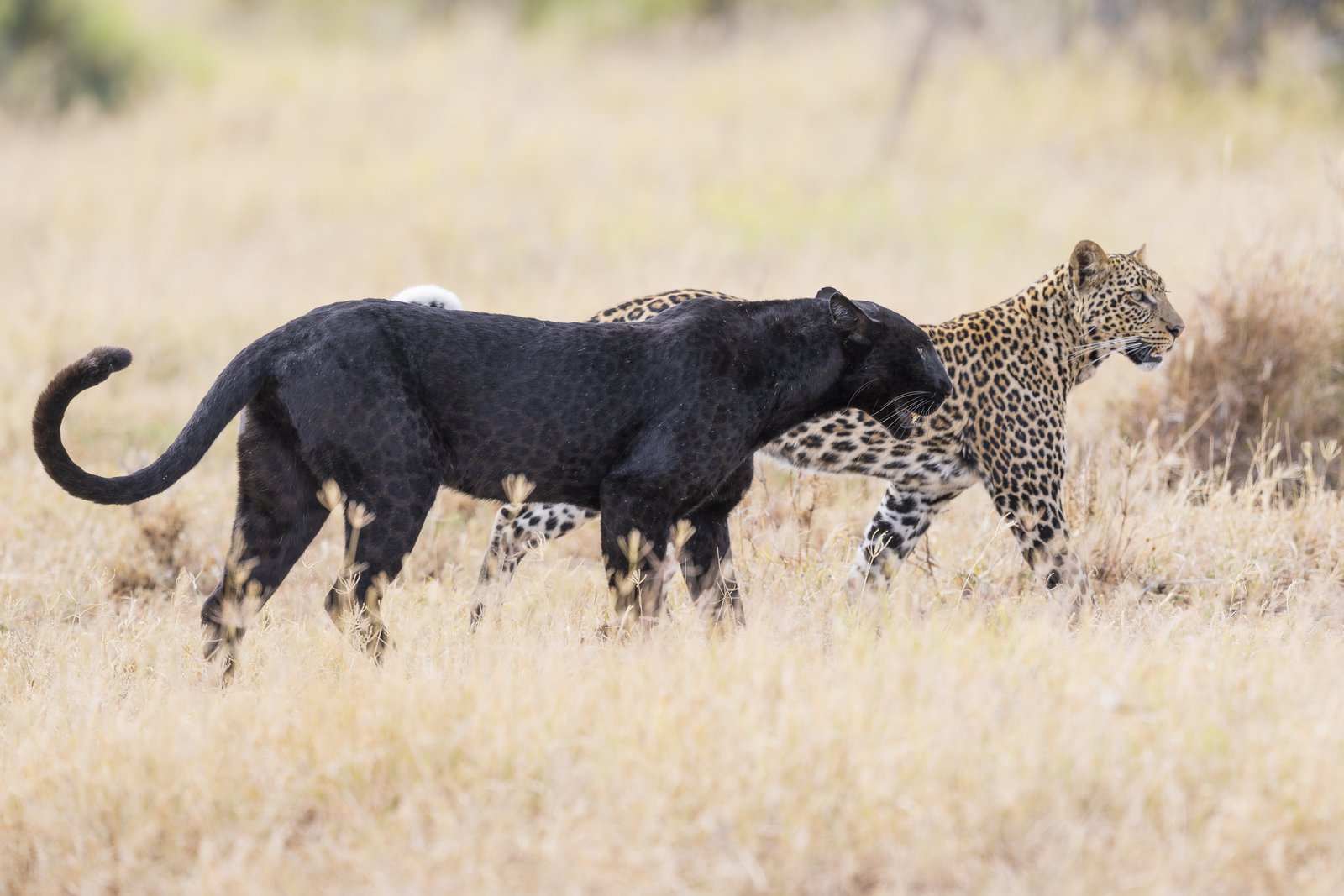
She has occasionally been seen alongside a spotted leopard, an extraordinarily rare sighting that has been photographed within the conservancy. Every morning, the camp's spotter team reports her latest known movements before guests set out, so encounters are guided by real information rather than chance alone.
"No baiting. No vehicle crowding. Small, limited groups per sighting. Her welfare is never compromised for our guests' experience."
Know the Species
Interesting Facts About
Black Leopards
A black leopard is not a separate species or subspecies. Melanism is a natural color variation within the leopard species, Panthera pardus, caused by an excess of dark pigment in the fur.
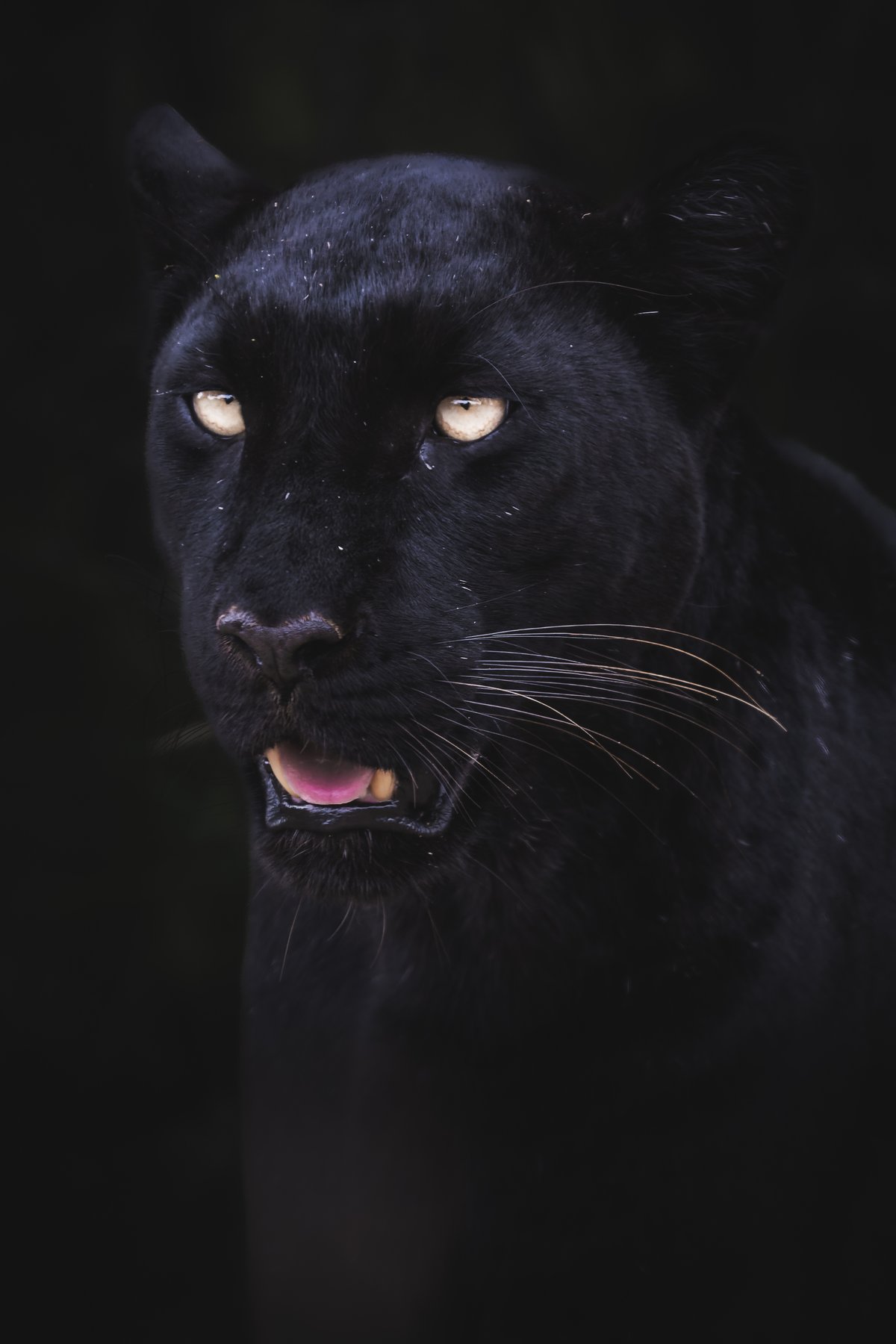
Despite the dark coat, the underlying rosette pattern is often still visible up close, particularly in strong or angled light. The spots are still there, just harder to see from a distance.
Melanistic leopards have historically been documented far more often in parts of Asia than in Africa. Confirmed, photographed sightings in Africa are unusual enough that each verified individual is considered ecologically significant.
Like all leopards, black leopards are solitary and territorial, marking their range with scent and claw marks and generally avoiding other leopards outside of mating or a mother raising cubs.
Melanism in leopards is linked to a recessive gene. Both parents typically need to carry the trait for a melanistic cub to be born, which is part of why black leopards are so uncommon.
Researchers have proposed that melanism may offer a camouflage advantage in dense or low-light habitat, though this remains an area of ongoing scientific study rather than settled fact.
Common Questions
Frequently Asked
Questions
Is Giza a black panther?
"Black panther" is not a separate species, it is a general term used for any big cat with melanism, a dark coat caused by excess pigment. In Africa and Asia that means a melanistic leopard, in the Americas it usually means a melanistic jaguar. Giza is a melanistic leopard, so she is accurately described as a black panther or, more precisely, a black leopard.
How rare are black leopards in Africa?
Exceptionally rare. Melanistic leopards have historically been documented far more often in parts of Asia than in Africa. Confirmed, photographed sightings of black leopards in Africa are unusual enough that each verified individual is considered scientifically and ecologically significant. Laikipia is one of the very few places in Africa with a documented, photographed black leopard territory.
Can you still see a black leopard's spots?
Yes. Despite the dark coat, the underlying rosette pattern is often still visible up close, particularly in strong or angled light. This is sometimes called a ghost pattern, the spots are still there beneath the extra pigment, just harder to see from a distance.
Is it guaranteed you will see Giza on your stay?
No sighting of a wild animal can ever be guaranteed. Giza is not a tourist attraction, she is a wild leopard living on her own terms within a verified territory. Guided safaris reach her territory within 30 minutes of camp, and a daily spotter briefing gives guests the most current information available, but the camp does not stage, bait, or force an encounter.
Does the camp bait or lure Giza for guest viewings?
No. All Giza encounters follow the Ewaso Protocol, which prohibits baiting and vehicle crowding, and keeps groups per sighting deliberately small. Her welfare is never compromised for a guest's photograph.
What causes a leopard to be black?
Melanism is a genetic trait that causes an animal to produce an excess of dark pigment, called eumelanin, in its fur. In leopards it is linked to a recessive gene. It is a natural color variation within the species, not a separate species or subspecies, so a black leopard is genetically still Panthera pardus, the same species as a spotted leopard.
The Case for Ewaso
Why Come Here
for Giza
A confirmed, photographed black leopard territory is not something most safari camps anywhere in Africa can offer. Ewaso Elephant Crossing sits within 30 minutes of hers.
From the Journal
More on Black Leopards
Begin Your Reservation
Come Meet
Giza
Availability is intentionally limited for our inaugural season. Reserve your stay and ask us about her recent movements when you enquire.