Journal · Planning Your Stay
What Is a Wildlife Conservancy in Kenya? Conservancies vs National Parks Explained

A wildlife conservancy is land set aside for wildlife by the people who own or use it, rather than by the state. In Kenya, conservancies are run by communities, private landowners or groups of landowners, and they now cover a large share of the country’s wildlife habitat. Laikipia, in central Kenya, is one of the regions where conservancies shape the landscape.
Conservancies and national parks: the difference
Kenya protects wildlife in several ways. National parks are state land managed by the Kenya Wildlife Service, and national reserves, such as the Maasai Mara or Samburu, are managed by county governments.
Conservancies are different because the land stays in the hands of its owners. A community, a family or a group of landowners decides to manage some or all of its land for wildlife, often alongside livestock grazing. Kenya’s Wildlife Conservation and Management Act of 2013 formally recognises conservancies and treats wildlife conservation on community land as a legitimate land use.
The three main types
- Community conservancies are set up on land owned communally, often by pastoralist communities who continue to graze livestock alongside wildlife.
- Private conservancies are run by individual landowners, often on former cattle ranches.
- Group conservancies bring several neighbouring landowners together to manage a larger, connected area.
These are the three categories used by the Kenya Wildlife Conservancies Association, the national body that represents conservancies.
How much of Kenya do conservancies cover?
Estimates vary because new conservancies keep forming. The Kenya Wildlife Conservancies Association lists 167 conservancies covering more than 6.35 million hectares, about 11% of Kenya’s land. A 2024 analysis reported by Yale Environment 360 counted 230 conservancies covering more than 22 million acres, about 16% of the country.
The same article notes that nearly two-thirds of Kenya’s large mammals are found on communal and private land rather than in state-protected areas. That is why the way private and community land is managed matters so much for Kenya’s wildlife.
Why conservancies matter for people
Conservancies only work if wildlife is worth more alive than gone. Tourism and other income give communities a reason to protect animals that might otherwise compete with their livestock or damage crops. According to the Kenya Wildlife Conservancies Association, about 930,000 households benefit from conservancies, which also provide jobs for more than 4,500 people.
The model is not without challenges. Many conservancies depend on tourism and donor funding, which can be unpredictable, and critics question how secure that income is over the long term.
Conservancies in Laikipia
Laikipia is one of the places where conservancies have reshaped the landscape. Much of the county is a mosaic of private ranches, community land and conservancies, among them names that appear often in wildlife research, such as Loisaba and Borana.
Ewaso Elephant Crossing is a photo hide camp in one of them, the Ewaso Enclave Conservancy.
What staying in a conservancy means for visitors
Because each conservancy is run by its owners, the rules for visitors are set locally rather than by a national park authority, and they differ from one conservancy to the next. When you plan a stay, ask your camp what activities and rules apply where you will be staying.
Whatever the rules, the basics of responsible wildlife viewing are the same everywhere: keep your distance, keep noise down, never feed or bait animals, and follow the guidance of the local team.
Questions about conservancies in Kenya
What is a wildlife conservancy in Kenya?
Land managed for wildlife by the people who own or use it, such as a community, a private landowner or a group of landowners, rather than by the state. Kenya’s Wildlife Conservation and Management Act of 2013 formally recognises them.
How is a conservancy different from a national park?
National parks are state land managed by the Kenya Wildlife Service. Conservancies stay in the hands of their owners, who manage the land for wildlife, often alongside livestock, and set their own rules for visitors.
How many conservancies are there in Kenya?
The Kenya Wildlife Conservancies Association lists 167 conservancies covering about 11% of Kenya’s land. A 2024 analysis counted 230, covering about 16% of the country.
What are the types of conservancy in Kenya?
There are three main types: community conservancies on communally owned land, private conservancies run by individual landowners, and group conservancies formed by neighbouring landowners.
How do conservancies help local communities?
They turn wildlife into a source of income and jobs. The Kenya Wildlife Conservancies Association reports that about 930,000 households benefit, and that conservancies employ more than 4,500 people.
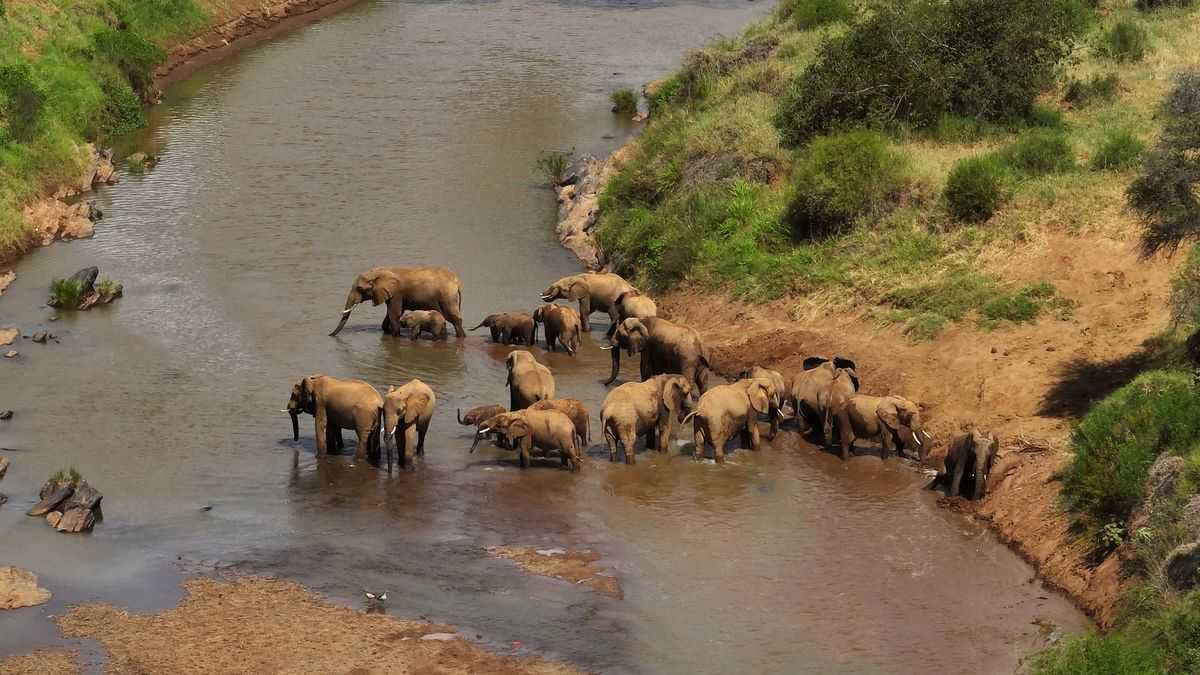
Header photo: Laikipia. Photo: Ernesto, 2026.