Journal · Elephants
Photographing Wildlife From a Hide: A Beginner’s Guide
A photo hide is a concealed shelter that lets you wait close to wild animals without them knowing you are there. Because the animals behave naturally and you can photograph them from low, intimate angles, a few hours in a hide can produce pictures that are very hard to get from a vehicle. This guide covers what to expect, what to bring and how to make the most of your time.
What is a photo hide?
A hide (called a blind in the United States) is any structure that keeps photographers out of sight while animals come to them. Most are built beside water, a feeding area or a regular animal path, with narrow openings to shoot through.
Common types include:
- Ground-level or sunken hides, set low so the lens sits close to the ground or the water’s surface, giving eye-level views of animals.
- Raised hides, which look down over a wider area and work well for herds and landscapes.
- Night hides, used for photography after dark.
Why shoot from a hide?
- Natural behaviour. Animals that cannot see people tend to stay relaxed, so you are more likely to see drinking, play, greetings and interactions rather than alert animals watching a vehicle.
- A lower perspective. Shooting at eye level, rather than down from a vehicle, gives images more intimacy and depth, and separates the subject from the background.
- Time with your subject. In a hide you wait for the animals, not the other way round. Patience is rewarded with sequences rather than single frames.
Lenses: you may need less reach than you think
In a well-placed hide, animals can come surprisingly close. A flexible zoom such as a 100-400mm or 70-200mm is often more useful than a long fixed lens, because a subject can move from distant to frame-filling in seconds. A wider lens on a second body lets you capture animals in their surroundings when they come near.
Camera settings for hide photography
- Shutter speed. Use a fast shutter, around 1/1000s or quicker, for moving animals and splashing water. Drop slower only for deliberate motion blur.
- Aperture. A wide aperture blurs the background and helps your subject stand out, which suits eye-level shots.
- ISO. Auto ISO with a minimum shutter speed set keeps you sharp as the light changes.
- Focus. Continuous autofocus with subject or animal eye detection, if your camera has it, keeps moving animals sharp.
- Silent shutter. If your camera has an electronic or silent shutter, use it. Close to wildlife, the click of a mechanical shutter can be enough to make an animal look up.
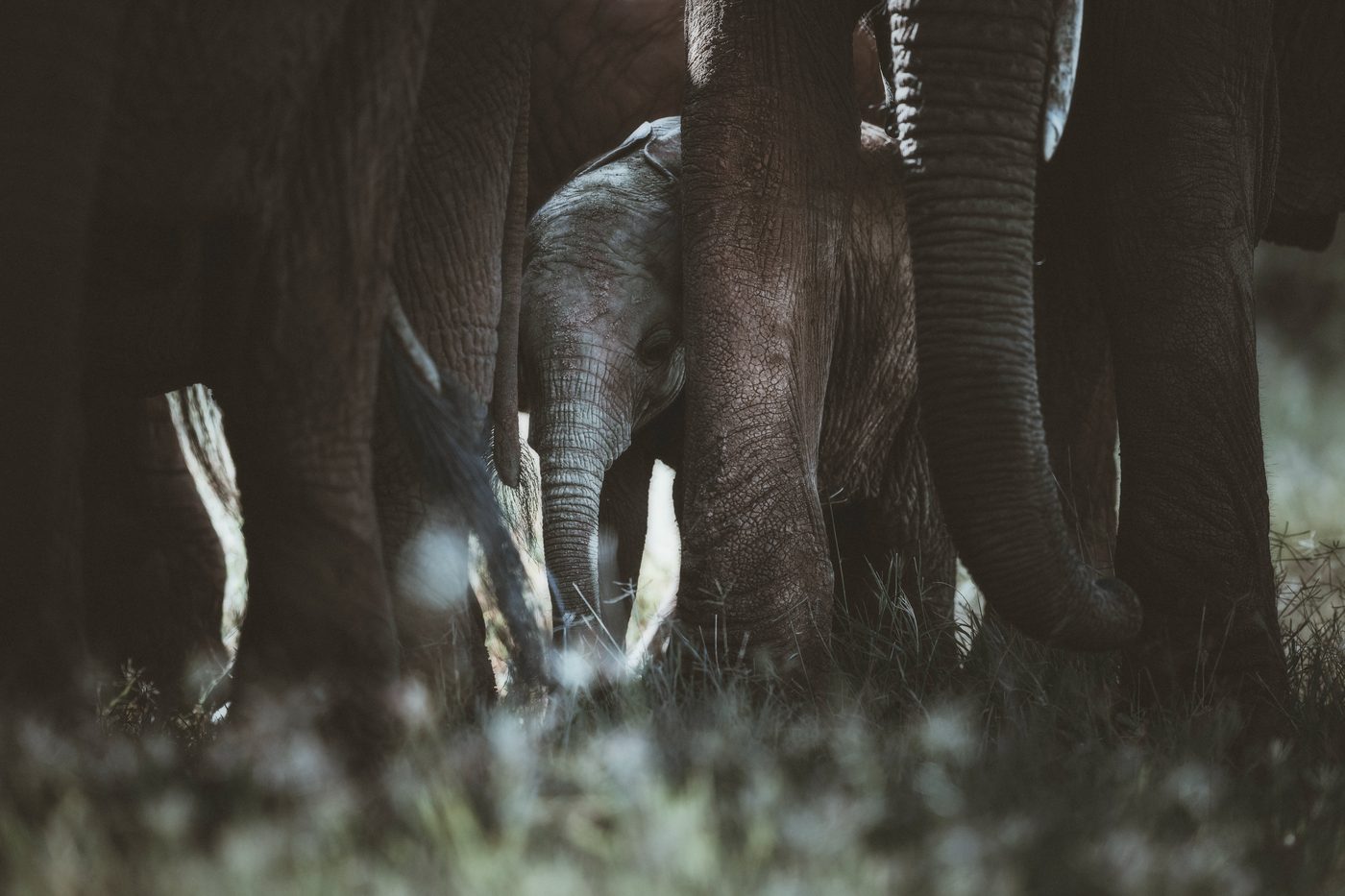
- Exposure for dark animals. With a very dark subject, such as a black leopard or a wet elephant, check your histogram so the animal keeps detail without blowing out a bright background.
Support: beanbags over tripods
Hides are often tight on space, and tripod legs get in the way. A beanbag resting on the shooting ledge, or a small ground pod in a low hide, gives steady support and lets you swing quickly to follow the action.
Light and timing
The soft light of early morning and late afternoon is the most flattering for wildlife. Midday light is harsher, but in hot, dry weather water can draw animals at any hour, so it is often worth staying put. Watch where the light comes from: side light brings out texture in skin and fur, while backlight can make dust and water glow.
Hide etiquette
- Stay quiet and still. Speak in whispers and keep movement near the openings slow.
- No flash unless your guide allows it. Sudden light can disturb animals and other photographers.
- Be patient. Long quiet spells are normal. The best moments often come just after you were tempted to leave.
- Never bait or call animals. Ethical hide photography relies on natural movement, so what you photograph is real behaviour.
- Respect shared space. Agree with others on how long you will stay, and keep lenses and bags clear of other people’s views.
Photo hides at Ewaso
Ewaso Elephant Crossing is a photo hide camp in the Ewaso Enclave Conservancy in Laikipia, with day and night hides. You can read more about our experiences, and see photographs taken in Laikipia in our Gallery.
Questions about hide photography
What is a photography hide?
A photography hide, or blind, is a concealed shelter that lets photographers wait close to wildlife without being seen, so animals behave naturally and can be photographed from close, low angles.
What lens is best for a photo hide?
A flexible telephoto zoom such as a 100-400mm or 70-200mm usually works best, because animals can come very close. A wider lens on a second camera is useful for animals in their surroundings.
Do I need a tripod in a hide?
Usually not. Space is often tight, and a beanbag on the shooting ledge gives steady support while letting you move the lens quickly.
What camera settings work best in a hide?
A fast shutter speed of about 1/1000s or quicker, a wide aperture, auto ISO, continuous autofocus and a silent shutter if your camera has one.
Can beginners photograph from a hide?
Yes. A hide is one of the easiest places to learn, because animals come to you and you have time to adjust your settings between moments.
Header photo: Elephants at a waterpoint, Laikipia. Photo: Ernesto, 2026.